
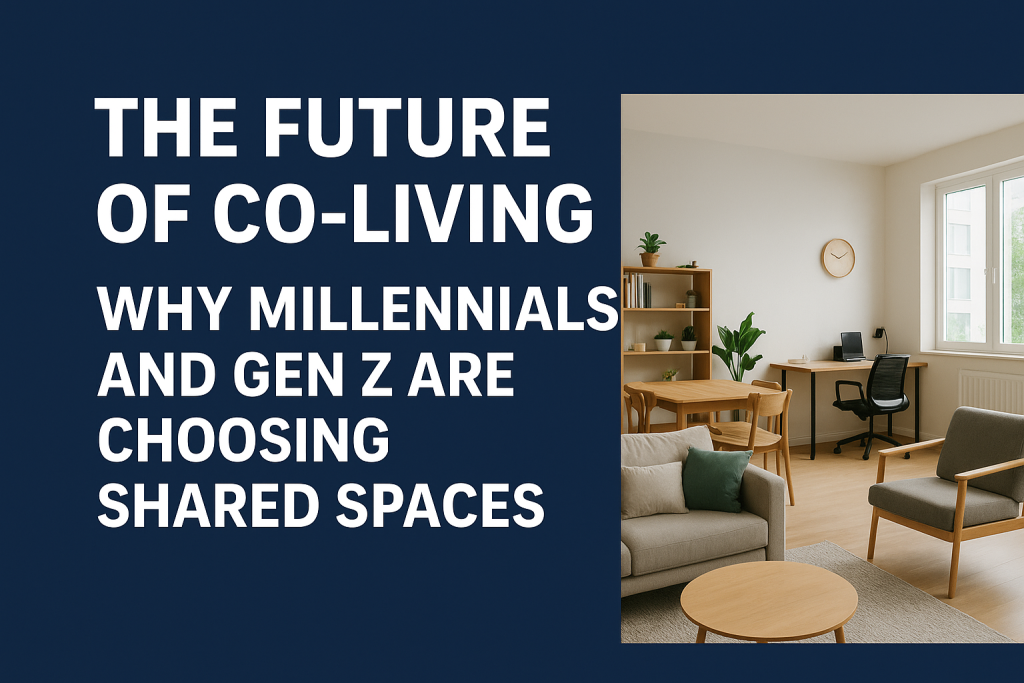
The Future of Co-Living: Why Millennials and Gen Z Are Choosing Shared Spaces
Co-living has rapidly become one of India’s most promising real estate trends. With changing lifestyles, rising rental costs, and a strong desire for community-driven living, millennials and Gen Z are opting for co-living spaces that combine affordability, flexibility, and convenience—all under one roof.
India’s young workforce values experiences over ownership. Instead of investing heavily in long-term rentals or unfurnished apartments, they prefer fully managed accommodations that provide a ready-to-move-in lifestyle. Co-living spaces offer furnished rooms, housekeeping, WiFi, utilities, and maintenance—all included in one monthly payment. This eliminates the burden of deposits, furniture expenses, and unpredictable bills.
Another major appeal is community-oriented living. Co-living spaces include shared lounges, coworking zones, gaming areas, and social event spaces that help residents build meaningful connections. These communities offer the perfect balance of privacy and social interaction, making them ideal for young professionals, freelancers, and remote workers who often live away from family.
Co-living also provides flexibility with short-term leases, allowing tenants to move in and out with ease. This makes it ideal for people with dynamic jobs or those exploring new cities.
As work-from-home continues, co-living spaces designed with ergonomic workstations and collaborative zones have become even more attractive. They offer a hybrid environment where residents can work productively while enjoying a vibrant social life.
In summary, co-living represents the next generation of urban rental housing, affordable, flexible, and community-centered.